

Views: 0 Author: Site Editor Publish Time: 2026-03-02 Origin: Site


Many people assume ginseng tea has caffeine because it feels energizing. In fact, pure ginseng tea is naturally caffeine-free, but some blended products are not. In this article, you will learn how to spot the difference, why it can still feel uplifting, and how to choose the right type.
For most readers, the short answer is simple: pure ginseng tea does not contain caffeine. That is because ginseng root is not a natural source of caffeine in the way coffee beans, tea leaves, or cacao are. When a cup is made from sliced ginseng root, dried ginseng, or a ginseng-only herbal blend, it is considered an herbal infusion rather than a true tea. In other words, it may be called “tea” in everyday language because it is brewed in hot water, but botanically it is not the same as green tea, black tea, or oolong. This distinction matters because true teas come from the Camellia sinensis plant, which naturally contains caffeine, while ginseng does not.
That is also why ginseng tea is often described as a good option for people who want a warm, energizing drink without relying on caffeine. Readers who are cutting back on coffee, avoiding afternoon stimulants, or looking for a gentler daily ritual often end up searching for ginseng tea for exactly this reason. The key point is not the word “tea” on the package, but what the drink is actually made from.
Product Type | Main Ingredient | Naturally Contains Caffeine? |
Pure ginseng tea | Ginseng root only | No |
Herbal ginseng infusion | Ginseng with other caffeine-free herbs | Usually no |
Ginseng green tea | Ginseng + green tea leaves | Yes |
Ginseng oolong tea | Ginseng + oolong tea leaves | Yes |
Pure ginseng tea stays caffeine-free because the root itself contains different active compounds, not stimulants like caffeine. This is an important distinction for search intent: people are usually not asking whether ginseng feels “energizing,” but whether it contains the same kind of stimulant found in coffee or traditional tea. The answer remains no if the product is made only from ginseng. A simple way to think about it is this: if the ingredient list begins and ends with ginseng root, you are dealing with an herbal drink.
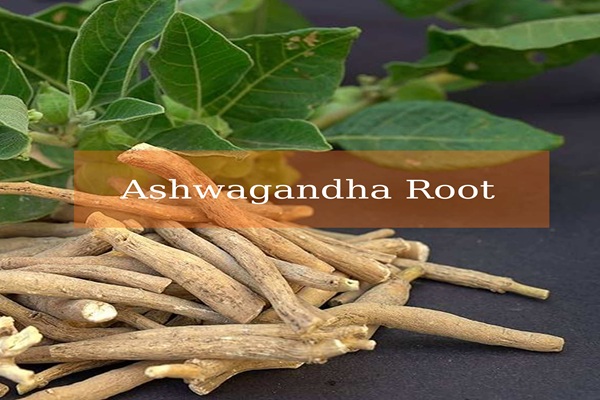
The phrase ginseng tea can be misleading because it does not always refer to a pure herbal drink. In many products, ginseng is only one part of the formula, and the caffeine comes from other added ingredients. This is where many shoppers get confused: they see “ginseng” on the front of the package and assume the drink is naturally caffeine-free, even though the full recipe tells a different story. If the product includes actual tea leaves or stimulant-containing additives, then it can absolutely contain caffeine. For readers trying to avoid caffeine, the label on the front is never enough; the ingredient panel matters much more than the product name.
One of the most common examples is a ginseng tea blend made with green tea, black tea, or oolong. These drinks do contain caffeine, but not because of the ginseng. The caffeine comes from Camellia sinensis, the tea plant used to make traditional tea. Once that plant appears in the blend, the drink is no longer a purely herbal infusion, even if ginseng is the most visible ingredient in the branding.
This is especially important because tea-based ginseng products are often marketed as balanced, refreshing, or energizing, which can make them sound similar to pure ginseng tea. In reality, they belong to a different category. A ginseng oolong, for example, may still deliver the earthy or slightly sweet character associated with ginseng, but it also carries the stimulating properties of oolong tea. The same logic applies to ginseng green tea and black tea blends: the caffeine is there because real tea leaves are there.
Product Category | Likely Source of Caffeine | Caffeine Risk |
Ginseng green tea | Green tea leaves | High |
Ginseng black tea | Black tea leaves | High |
Ginseng oolong tea | Oolong tea leaves | High |
Bottled energy drink with ginseng | Added caffeine or stimulants | High |
Instant wellness mix with ginseng | Matcha, guarana, yerba mate, or added caffeine | Medium to high |
Another area where confusion happens is with ready-to-drink products. Many bottled beverages, powdered drink mixes, and convenience-focused wellness shots include ginseng as part of a broader energy formula. In those products, ginseng may appear beside caffeine, guarana, green tea extract, or other stimulant ingredients designed to make the drink feel stronger and faster-acting.
This matters because “contains ginseng” is not the same as “made from ginseng only.” Some consumers see ginseng listed and assume they are getting a caffeine-free herbal benefit, when in fact the formula is built more like an energy drink than a traditional tea. That is why product format can be a clue. A plain herbal tea bag is often very different from a canned beverage marketed for focus, performance, or all-day energy.
The quickest and most reliable method is to read the ingredient label first. Marketing language can be vague, but ingredient lists are much harder to misread. If you are trying to avoid caffeine, scan the label for common signs before you buy.
● Green tea
● Black tea
● Oolong
● Matcha
● Guarana
● Yerba mate
● Added caffeine
● Tea extract
You should also watch for phrasing such as “energy blend,” “focus formula,” or “pre-workout support,” because these often signal that the product is designed to stimulate rather than simply offer a herbal infusion. Even when caffeine is not highlighted on the front, those terms often suggest a formula that goes beyond pure ginseng.
One reason this topic causes so much confusion is that caffeine-free ginseng tea can still feel energizing. Many people expect a simple rule: if a drink increases alertness, it must contain caffeine. But in practice, that is not always how herbal drinks work. Ginseng tea is often chosen by people who want to feel more awake, clear-headed, or less drained during the day without turning to coffee or highly caffeinated tea. The experience is usually described less as a sudden jolt and more as a gentle lift, which is why the drink is often associated with focus and stamina even when no caffeine is present.
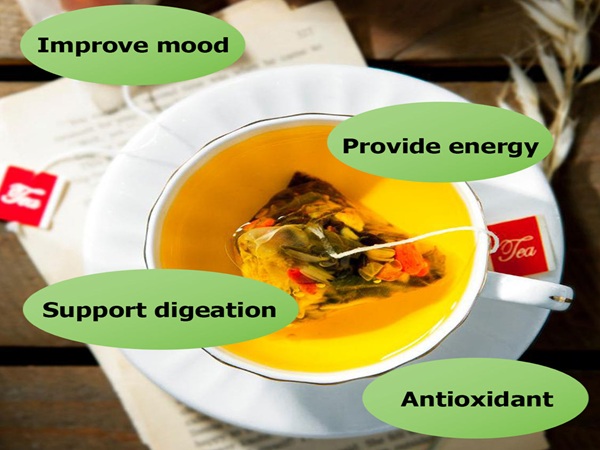
From a user perspective, the appeal of ginseng tea is easy to understand. Someone may drink a cup in the late morning or early afternoon and notice that they feel more refreshed, less sluggish, or mentally sharper afterward. That does not necessarily mean the effect is dramatic or immediate in the way espresso might feel. Instead, the appeal often lies in the fact that the drink seems supportive without being overwhelming.
This difference matters for readers who are trying to reduce caffeine but still want a beverage that feels useful rather than purely comforting. Ginseng tea is often seen as a practical middle ground: warmer and more purposeful than plain hot water, yet not as intense as coffee. For people sensitive to stimulants, that can make it a more approachable daily option, especially during work hours when they want focus without feeling overactivated.
Experience Factor | Ginseng Tea | Caffeinated Drinks |
Onset | More gradual | Faster |
Sensation | Gentle, steady | Stronger, sharper |
Common appeal | Support without overstimulation | Quick boost |
After-effect | Often described as smoother | May feel abrupt for some people |
The key distinction is that ginseng is not typically approached as a classic stimulant. Caffeine is known for acting fast and creating a more noticeable surge in wakefulness. That can be useful, but it also explains why some people complain about jitters, a racing feeling, or an afternoon crash after the effect wears off. Ginseng tea is often preferred by readers who want a different experience altogether.
Instead of chasing intensity, they are usually looking for steadier support. That is why ginseng tea is commonly chosen by people who want to stay functional and focused without the highs and lows they associate with caffeine. In practical terms, it may suit those who have become too dependent on coffee, dislike the edgy feeling of strong stimulants, or want an option they can enjoy as part of a calmer routine. For that audience, the value of ginseng tea is not that it imitates caffeine perfectly, but that it offers a different kind of energy experience with fewer of the effects they are trying to avoid.
Choosing the right ginseng tea depends less on the word ginseng itself and more on what you want from the drink. Some readers are trying to cut back on coffee and want something warming and functional without caffeine. Others are not avoiding caffeine at all—they simply want a tea that combines the character of ginseng with a stronger lift. That is why the best choice is usually based on timing, sensitivity, and ingredient preference, not on one formula being universally better than another.
If your goal is to reduce caffeine or avoid stimulants later in the day, pure ginseng tea is usually the better fit. This option makes sense for readers who enjoy the ritual of a hot drink but no longer want to rely on coffee, strong black tea, or energy drinks for every boost in alertness. It can also appeal to people who are sensitive to caffeine and dislike the jittery or overly sharp feeling that some caffeinated drinks create.
When shopping, the simplest approach is to look for products made only with ginseng root or clearly described as an herbal ginseng tea. A shorter ingredient list is often a good sign here. If the product is positioned as a root infusion rather than an energy blend, it is more likely to match the expectation of a caffeine-free drink. This is especially useful for people who want a calmer morning routine or a midday cup that feels supportive without being too intense.
A ginseng blend may suit you better if you actually want both the flavor or appeal of ginseng and the stronger effect of caffeine. For some readers, a pure herbal cup may feel too mild for the start of a demanding day. In that case, blends with green tea, black tea, or oolong can make more sense as a morning or early afternoon choice.
This is best treated as a use-case decision, not a claim that one type is healthier than the other. Someone replacing a second cup of coffee may prefer a ginseng green tea because it still offers noticeable stimulation. Another person might choose a ginseng oolong for a more layered flavor and a tea-based lift during work hours. The right option depends on whether you want a gentler herbal drink or something closer to a traditional caffeinated beverage.
Goal | Best Type of Ginseng Tea | What to Look For |
Avoid caffeine | Pure ginseng tea | Ginseng root only, herbal ginseng tea |
Cut back on coffee | Pure or low-caffeine blend | Simple ingredient list, no added stimulants |
Want a stronger morning drink | Ginseng blend | Green tea, black tea, or oolong in ingredients |
Need a midday pick-me-up | Ginseng tea with caffeine | Tea leaves or other stimulating ingredients |
Before making ginseng tea part of your daily routine, a few practical factors deserve attention:
● Sensitivity varies: even caffeine-free ginseng tea may feel too stimulating for some people if taken late in the day.
● Timing matters: many readers prefer it in the morning or early afternoon rather than at night.
● Check your health context: if you manage blood sugar, blood pressure, or other ongoing conditions, ingredient choices matter more.
● Be careful with medication: readers taking prescription drugs should be especially cautious and speak with a qualified healthcare professional before regular use.
Pure ginseng tea does not contain caffeine, but blended versions may include it through tea leaves or added stimulants. That is why checking the ingredient list matters more than trusting the product name alone. Jiahong Health Technology Group Co., Ltd. adds value by offering clearly positioned ginseng products that help buyers choose options that match their caffeine needs and daily routines.
A: Pure ginseng tea is naturally caffeine-free unless other caffeinated ingredients are added.
A: Yes, ginseng tea blends contain caffeine when they include green tea, black tea, or oolong.
A: Ginseng tea may feel energizing because ginseng is associated with alertness and reduced fatigue.
A: Check the ingredient list on ginseng tea products for tea leaves, matcha, guarana, or added caffeine.


