

Views: 0 Author: Site Editor Publish Time: 2026-03-09 Origin: Site


Is one capsule shell really better than the other? The answer affects more than packaging. It can shape product stability, formula performance, and buyer trust. In this article, we compare vegetarian capsules and gelatin capsules so you can make a smarter choice based on technical needs, market goals, and user expectations.
Choosing between gelatin and vegetarian capsules starts with understanding that the shell itself affects more than product appearance. Capsule material influences label claims, consumer acceptance, storage tolerance, and how a formula behaves once consumed. For supplement brands and ingredient buyers, this is not simply a “plant-based versus traditional” decision. It is a functional choice tied to both market fit and product performance. The most common comparison is between animal-derived gelatin and plant-based alternatives such as HPMC and pullulan, each with distinct advantages under real manufacturing and usage conditions.
Gelatin capsules are produced from collagen sourced from animals, most commonly bovine or porcine materials, and sometimes fish. Vegetarian capsules, by contrast, are typically made from hydroxypropyl methylcellulose (HPMC), a plant-derived cellulose material, or pullulan, a polysaccharide created through fermentation. That difference in origin has immediate labeling consequences. A formula in a vegetarian capsule can serve vegan and vegetarian positioning more naturally, while also aligning more easily with many halal, kosher, and clean-label expectations, depending on sourcing and certification. Gelatin capsules remain widely accepted in mainstream products, but they narrow the potential audience when animal-free positioning matters. In practical SEO terms, this is why users searching vegetarian capsules are often comparing not only composition, but also who the final product can reach.
Dissolution is often oversimplified in online comparisons. Gelatin capsules are generally known for relatively fast opening and disintegration, while vegetarian capsules may open somewhat more slowly in certain acidic conditions. However, slower shell opening should not automatically be interpreted as poorer performance or weaker absorption. In real use, the impact on overall bioavailability is not always meaningful in standard applications. What matters more is whether the capsule matches the formulation goal: fast release, stability in transit, or protection of sensitive fill materials. That makes dissolution a formulation question, not just a speed contest.
One of the most important technical distinctions lies in how the shell reacts to environmental stress.
Comparison factor | Gelatin capsules | Vegetarian capsules |
Material origin | Animal collagen | Plant-derived HPMC or pullulan |
Typical moisture level | Higher | Lower |
Behavior in dry conditions | Can become brittle | More resistant to breakage |
Behavior in humid conditions | Can soften or become sticky | Usually more stable |
Heat tolerance | More sensitive | Better suited to variable conditions |
Because gelatin depends on a narrower moisture range to maintain shell integrity, it can become fragile in dry environments and tacky in humid ones. Vegetarian capsules usually contain less moisture and are less hygroscopic, which makes them more stable across changing climates and storage conditions. This distinction becomes especially important later when evaluating ingredient compatibility, shelf life, packaging choices, and shipping environments.
Capsule selection becomes far more technical once the discussion moves from label preference to formulation behavior. In practice, the capsule shell is part of the delivery system, not just a neutral outer layer. Its moisture level, chemical profile, and physical tolerance can all influence how well a formula holds up during filling, storage, transport, and end use. The choice between gelatin and vegetarian shells is especially relevant when the product contains sensitive actives, unusual fill materials, or ingredients that interact with water, oxygen, or shell polymers over time.
Fill type is often the first technical filter in capsule selection. Standard dry powder blends usually work well in gelatin capsules because the shell is widely used, cost-efficient, and compatible with many common supplement formats. For straightforward formulas such as vitamins, minerals, and basic botanical powders, gelatin often performs reliably without requiring special handling. That is one reason it remains common in large-volume supplement manufacturing.
More demanding fills create a different decision path. Oils, hygroscopic materials, and semi-solid formulations may place more stress on the capsule shell, especially if the fill has a tendency to migrate, soften the shell, or react with shell moisture. Vegetarian capsules, particularly HPMC-based options, are often preferred when the formulation needs broader compatibility and better resistance to moisture-related shell changes. This does not mean every non-powder fill automatically requires a vegetarian capsule, but it does mean formulators should treat shell choice as part of product design rather than as a packaging default.
Fill or formulation issue | Gelatin capsules | Vegetarian capsules |
Standard dry powders | Often a strong fit | Also suitable |
Oils and semi-solids | May require more caution | Often better tolerated |
Hygroscopic ingredients | More risk of shell moisture interaction | Lower shell moisture can help |
Sensitive botanical extracts | Acceptable in some formulas | Often preferred for stability-focused designs |
Complex formulation demands | Can be limiting in some cases | More flexible in challenging conditions |
Moisture content is one of the biggest reasons formulators compare capsule materials closely. Gelatin shells typically contain more water, which helps maintain their structure but can create challenges for ingredients that are highly moisture-sensitive. Probiotics, certain enzymes, concentrated herbal extracts, and other reactive actives may lose stability more easily when exposed to excess moisture transfer during storage. In these cases, vegetarian capsules can offer a practical advantage because their shell moisture is generally lower.
This lower-moisture profile matters in two ways. First, it can reduce the risk of destabilizing ingredients that degrade, clump, or crystallize when exposed to water. Second, it may reduce unwanted interaction between the fill and the shell itself. The nonionic nature of HPMC can also make vegetarian capsules more suitable when the formula includes reactive compounds or impurities that might cause performance changes over time. For moisture-sensitive formulas, the capsule shell can therefore become an active stability factor rather than a passive container.
Shelf life introduces another layer of performance difference. As capsules age, the shell can change in ways that affect disintegration and release. With gelatin, one of the most important formulation concerns is cross-linking, a process in which the shell structure becomes less soluble over time, especially under stress or in the presence of reactive compounds such as aldehydes. When this happens, capsule dissolution can slow down in ways that are undesirable for standard immediate-release products.
Vegetarian capsules are generally less associated with this specific problem, which is one reason they are often chosen for formulas expected to face longer storage periods or more difficult environmental conditions. Cross-linking does not make gelatin unusable, but it does raise the level of formulation control required. Packaging, excipient selection, storage conditions, and expected shelf-life duration all become more important when gelatin is paired with ingredients that may accelerate shell aging. That makes long-term stability a critical checkpoint in any serious comparison of capsule performance.
A capsule decision is rarely just a formulation decision. It also affects who the product can be sold to, how it is positioned in the market, and what trade-offs a brand is willing to make between cost and flexibility. Vegetarian capsules and gelatin capsules serve different strategic purposes, even when both are technically capable of delivering the same active ingredients. For that reason, brands comparing capsule types should evaluate them through a commercial lens as well as a technical one.
Plant-based capsules usually make the most sense when a product is meant to signal broader inclusivity or premium intent. Because they avoid animal-derived materials, they are easier to align with vegan and vegetarian demand and are often better suited to products marketed around lifestyle values, dietary transparency, or cleaner label expectations. That broader acceptance can matter in categories where buyers actively scan packaging for animal-free claims or where a single capsule choice needs to work across multiple audience segments. In those cases, the shell becomes part of the product story rather than an invisible technical detail.
Vegetarian capsules can also support stronger perceived value. In many markets, plant-based delivery formats are associated with modern, higher-spec products, especially when paired with probiotics, botanicals, or premium wellness blends. They may also offer stronger performance under certain storage and formulation conditions, which means the higher positioning is not only marketing-driven. When the product needs both broader dietary acceptance and a more advanced formulation image, vegetarian capsules can strengthen the overall brand proposition.
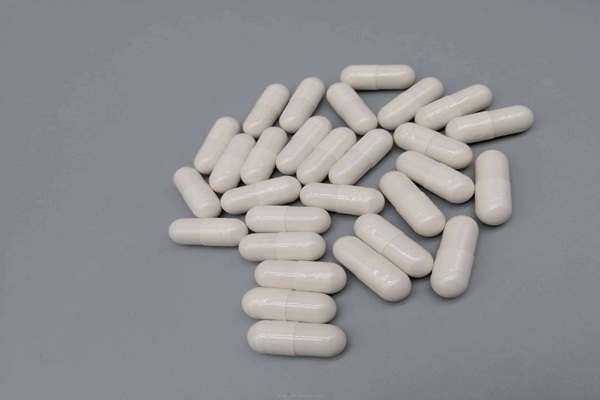
Gelatin remains a highly practical choice for mainstream products that do not need plant-based positioning or specialized compatibility advantages. It continues to work well for standard dry-fill formulas, benefits from long manufacturing familiarity, and is widely accepted in both supplement and pharmaceutical contexts. For products aimed at the broad general market, especially where buyers are less focused on capsule source, gelatin offers a straightforward route to reliable production and cost control.
This makes gelatin a rational choice for established formulas built around efficiency. If the fill is stable, the target buyer has no meaningful dietary restriction, and the product is competing in a price-sensitive segment, gelatin often delivers what the product strategy actually needs: familiarity, scalability, and lower unit cost without unnecessary complexity.

Strategic factor | Vegetarian capsules | Gelatin capsules |
Market positioning | Stronger for premium or plant-based products | Stronger for mainstream value-focused products |
Dietary reach | Broader | Narrower |
Upfront shell cost | Higher | Lower |
Storage and climate resilience | Often better | More condition-sensitive |
Best fit | Products needing inclusivity and formulation flexibility | Products prioritizing efficiency and conventional delivery |
Looking only at shell price can lead to the wrong decision. A lower-cost capsule may become more expensive overall if it creates added packaging demands, shorter stability margins, or greater risk during shipping and storage. On the other hand, paying more for a vegetarian shell is not automatically justified if the formula is simple and the commercial goal is volume efficiency. The smarter comparison is total product requirement versus total product risk, especially when storage conditions, fulfillment geography, and shelf-life expectations are part of the equation.
Selecting between vegetarian and gelatin capsules becomes much easier when the decision is narrowed to three filters: who the product is for, what the formula requires, and where the finished product must survive before use. This approach is more practical than treating capsule choice as a general preference issue, because the best shell type depends on a combination of consumer fit, formulation behavior, and storage demands. Capsule performance is shaped not only by composition, but by the conditions in which that composition must function.
The first step is to define the end user before reviewing technical details. If the product is intended for vegan or vegetarian consumers, or for markets where halal, kosher, or animal-free positioning affects purchase decisions, vegetarian capsules immediately become the stronger option. In those cases, the shell is part of the product’s acceptability, not just its delivery format. By contrast, if the target audience is broad, price-conscious, and not especially concerned with ingredient origin, gelatin may remain fully appropriate. This user-first filter prevents brands from overengineering a capsule solution that adds cost without improving market fit.
Once the target consumer is clear, the next question is technical compatibility. Fill composition matters because different shell materials respond differently to powders, oils, semi-solids, and moisture-sensitive actives. Formulas containing probiotics, reactive botanical extracts, or ingredients vulnerable to shell water content often benefit from vegetarian capsules with lower moisture levels. Standard dry powder blends, however, may perform perfectly well in gelatin capsules when there is no special stability challenge. Release expectations also matter: not every product needs the same shell behavior, and faster dissolution on paper does not automatically make one option better in real use.
Storage and distribution conditions should act as the final selection filter. Capsules may travel through hot shipping routes, remain in humid warehouses, or sit for extended periods in variable retail conditions. Under these circumstances, shell resilience becomes a practical cost factor. Vegetarian capsules often handle changing moisture and temperature conditions more consistently, while gelatin may require tighter environmental control to avoid brittleness or stickiness. Packaging format also influences this choice, since a more sensitive shell may need stronger protection to maintain performance through shelf life.
Factor | Vegetarian capsules | Gelatin capsules |
Source | Plant-based HPMC or pullulan | Animal-derived collagen |
Dietary suitability | Vegan, vegetarian, broader dietary fit | Not suitable for all diets |
Dissolution profile | Slightly slower in some conditions | Typically faster |
Moisture content | Lower | Higher |
Environmental stability | Often more stable across conditions | More moisture-dependent |
Fill compatibility | Strong for sensitive or demanding formulas | Strong for standard dry fills |
Shelf-life considerations | Lower cross-linking concern | More cross-linking risk in some cases |
Cost | Higher | Lower |
Best-fit applications | Inclusive, premium, stability-focused products | Conventional, cost-driven mainstream products |
The better choice depends on your formula, audience, and business goals. Vegetarian capsules add value for sensitive formulas and wider dietary appeal, while gelatin capsules suit efficient, standard production. Jiahong Health Technology Group Co., Ltd. supports both options with flexible capsule solutions that help brands improve product fit, market reach, and long-term value.
A: Yes, vegetarian capsules usually suit moisture-sensitive ingredients better because they contain less inherent water.
A: In some acidic conditions, vegetarian capsules may open slightly slower, but performance differences are often formulation-specific.
A: Gelatin is often preferred for standard dry powders when cost, familiarity, and production efficiency matter most.
A: Yes, vegetarian capsules are generally more suitable for vegan and many diet-restricted product lines, depending on certification.


