

Views: 0 Author: Site Editor Publish Time: 2026-05-06 Origin: Site


In the fast-evolving nutritional supplement market, choosing the right manufacturer is a high-stakes decision. Should you build a custom formula or pick a ready-made one? This choice defines your cost, speed, and brand equity. In this guide, you will learn the nuances of OEM vs ODM supplements to find the perfect fit for your brand's goals.
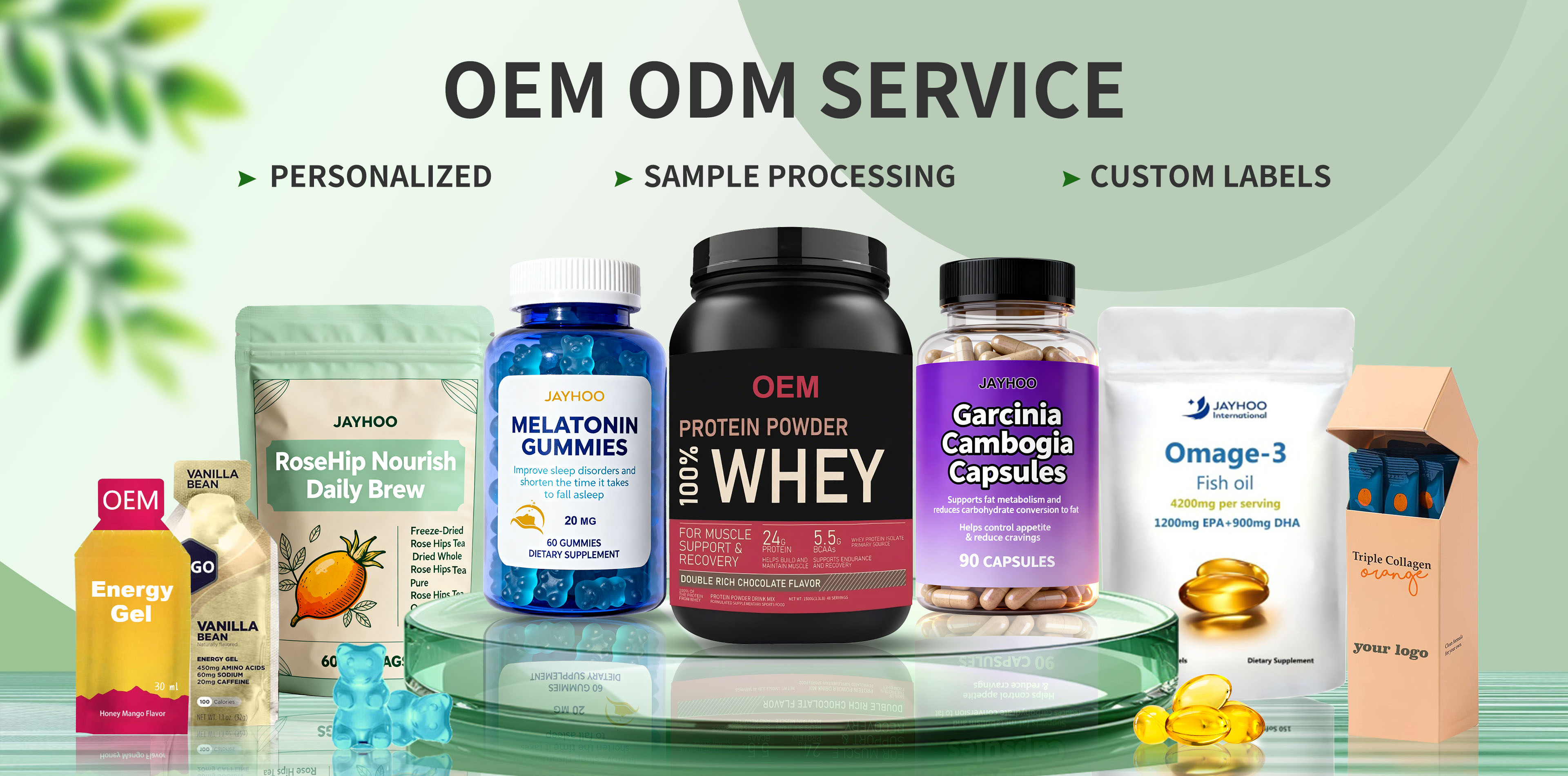
● Strategic Alignment: Choose OEM for long-term brand differentiation and unique formulas, or select ODM for rapid market entry and lower financial risk.
● Formula Ownership: OEM allows brands to own proprietary formulations and intellectual property, preventing competitors from selling the exact same product.
● Cost and MOQs: ODM models typically offer lower upfront R&D costs and smaller Minimum Order Quantities (MOQs) compared to the higher investment required for custom OEM development.
● Speed to Market: ODM leverages pre-validated, "ready-made" formulas, significantly reducing the time needed for stability testing and regulatory setup.
● Quality and Compliance: Regardless of the model, brands must verify third-party certifications like GMP and ensure all label claims meet local regulatory standards.
● The Hybrid Approach: A smart growth strategy involves starting with ODM to test market demand and transitioning to OEM for "hero" products as the brand scales.
Choosing between OEM vs ODM supplements requires a deep dive into your business vision. It is not just about making a product; it is about how that product supports your overall strategy.
Your brand's identity should dictate your manufacturing choice. If your value proposition relies on unique "hero" ingredients or specialized health benefits—such as a custom vitamin blend or a novel joint-health supplement—OEM is usually the superior route. It allows you to build a distinct brand with highly customized formulas. Conversely, if your goal is rapid market entry with standard nutritional supplements, ODM provides a low-barrier path.
OEM is considered the "gold standard" for long-term brand building because it offers total exclusivity. Since the brand owns the formula, there is no risk of the exact same product appearing under a competitor's label. ODM, however, is excellent for testing market demand. It allows you to launch multiple SKUs quickly to see what resonates with your audience before investing heavily in custom research and development.
Does your team have the expertise to manage a custom formulation? OEM requires you to supply the formula, dosing claims, and label designs. This model works best for brands that already have a vetted concept and want full control over the output. If your team lacks technical formulation experience, ODM handles the heavy lifting, as the manufacturer provides pre-developed and validated formulas.
The financial implications of OEM vs ODM supplements are significant. OEM typically involves higher upfront development costs, including stability testing and compliance paperwork. ODM reduces these initial burdens because the manufacturer has already absorbed the R&D and quality testing costs.
Your 3-year or 5-year plan should influence your current choice. Brands aiming for rapid expansion often start with ODM to build a presence. As demand stabilizes, they transition to OEM to develop proprietary formulas that improve margins and strengthen brand positioning.
Match your model to your niche. Medical-grade supplements or products for sensitive populations often require the rigorous, tailor-made quality control found in OEM. General wellness products or basic mineral supplements may be perfectly served by standard ODM formulas.
OEM (Original Equipment Manufacturer) is the preferred choice for brands that want to lead the market through innovation and exclusivity.
The most significant advantage of OEM is the ownership of the formula. In a crowded market, having a proprietary blend ensures that your product is unique. This exclusivity is essential for long-term brand equity and prevents "price wars" with competitors who might otherwise sell the same "white-label" formula.
OEM allows for precise tailoring of every aspect of the finished product. You can define:
● Dosage Forms: Tablets, capsules, softgels, powders, or functional foods.
● Ingredients: Specific raw material sourcing and third-party certifications.
● Packaging: Custom layouts and label designs that align with your brand identity.
The trade-off for this control is time. OEM development includes custom formulation, batch testing, and stability studies. Brands must be prepared for longer lead times before the product is ready for market. However, for a unique supplement brand, this investment is often necessary to ensure top quality and regulatory compliance.
ODM (Original Design Manufacturer) is often referred to as "white-label" manufacturing. It is designed for efficiency and speed.
With ODM, you select from existing formulas the manufacturer has already developed and tested. This bypasses the need for initial R&D and production setup. These "ready-made" supplements are a practical choice for tapping into emerging trends, like gummy vitamins or specific functional foods.
ODM is ideal for newcomers because it requires less financial investment upfront. You do not need to spend heavily on raw material sourcing or stability testing, as these costs are shared across the manufacturer's various clients.
Because the formulas and production lines are already active, you can get products to market much faster than with the OEM model. This allows you to capitalize on seasonal trends or quickly fill gaps in your current product line.
Feature | OEM Model | ODM Model |
Formula Ownership | Brand Owner | Manufacturer |
Customization | High | Limited |
Speed to Market | Slower | Fast |
Upfront Cost | Higher | Lower |
Market Exclusivity | Unique to Brand | Shared Formula |
Operational logistics often determine the feasibility of a manufacturing model. You must weigh the desire for customization against the reality of your budget and supply chain.
Manufacturers typically set higher MOQs for OEM projects. Customizing a production run specifically for your formula requires significant machine setup and cleaning time, which manufacturers must offset with higher volume. ODM projects often have lower MOQs because the manufacturer produces larger batches of the standard formula and simply labels them for different brands.
The price per unit is only one part of the equation. With OEM, you must factor in:
● Initial R&D and formulation fees.
● Stability and safety testing costs.
● Third-party certification fees (e.g., GMP, non-GMO).
● Higher per-unit costs for specialized ingredient sourcing.
OEM carries higher inventory risk. If a custom formula does not sell as expected, you are left with unique stock that cannot be easily repurposed. This is particularly risky for formulations with a limited shelf life. ODM offers more flexibility, allowing you to manage inventory across multiple standard SKUs with less financial exposure.
Regardless of the model, adherence to safety and regulatory standards is non-negotiable in the supplement industry.
In an OEM setup, the brand owner takes the lead on ensuring the formulation meets every local regulation, including dosage limits and label claims. In an ODM scenario, the manufacturer provides a compliant formula, but the brand owner remains responsible for how the finished product is marketed and labeled in their specific jurisdiction.
When vetting a partner, look for third-party certifications such as:
● GMP (Good Manufacturing Practices): Ensures consistent production and quality control.
● HACCP and ISO: Critical for food safety and operational management.
● Organic or Non-GMO: If applicable to your brand's niche.
A reliable manufacturer must be willing to supply Certificates of Analysis (COAs), microbial testing results, and heavy-metal compliance reports. Ingredient traceability—knowing exactly where your raw materials come from—is fundamental to building consumer trust and ensuring food safety.
Many successful brands do not stick to just one model. They use a hybrid approach to balance risk and innovation.
New brands often leverage ODM to launch quickly. This allows them to build a customer base and gather feedback on dosage forms and packaging without the heavy lifting of custom development.
Once a brand identifies its "best-sellers," it can transition those specific products to the OEM model. This allows for the development of proprietary formulas that offer better margins and long-term brand protection.
A mature brand might use ODM for "staple" products—like a standard Vitamin C or Multivitamin—where differentiation is difficult. Simultaneously, they use OEM for their "hero" products—like a specialized pet supplement or a high-potency recovery blend—to maintain their unique market position.
Your manufacturer is your most important strategic partner. Selecting the right one requires looking far beyond the price tag.
Look for a partner with deep experience in your specific niche. If you want to launch gummy vitamins, ensure they have a dedicated, temperature-controlled production line for that format. They should offer transparent sourcing and robust quality assurance processes.
A good manufacturer does more than just fill bottles; they support your evolution. They should be willing to provide documentation, assist with regulatory questions, and scale production as your brand grows from a startup to a market leader.
Be wary of manufacturers who:
● Refuse to provide detailed COAs or testing data.
● Have inconsistent communication or vague production timelines.
● Lack essential third-party certifications like GMP.
● Cannot offer specialized dosage forms or ingredient traceability.
Choosing between OEM vs ODM supplements depends on your stage and long-term vision. Opt for ODM for speed and low initial investment. Select OEM for full formulation control and brand exclusivity. Many brands succeed using a hybrid approach to scale effectively. jiahonghealth provides high-quality manufacturing services to help you navigate this global health market. Their expert team delivers tailor-made solutions that add immense value to your product line.
A: OEM provides custom formulas for exclusivity, while ODM offers pre-validated, ready-made products for speed.
A: Choose OEM for total brand identity and unique formulas. Choose ODM to test market demand quickly.
A: OEM requires higher initial R&D and MOQs. ODM reduces upfront investment and financial risk.
A: ODM is superior for fast launches using existing, tested supplement formulas.


