

Views: 0 Author: Site Editor Publish Time: 2025-11-06 Origin: Site


Are vegans missing out on essential nutrients? Vitamin K2, crucial for bone and heart health, is mostly found in animal products. This poses a challenge for those on a vegan diet. In this post, you'll learn about vegan sources of K2 and how dietary supplements can bridge the nutritional gap.
Vitamin K comes in two main forms: K1 and K2. Vitamin K1, or phylloquinone, is mostly found in green leafy vegetables like spinach and kale. It plays a key role in blood clotting. On the other hand, Vitamin K2, known as menaquinone, is found in animal products and fermented foods. It’s further divided into subtypes, such as MK-4 and MK-7, which differ in their side chain length and absorption rates.
While K1 mainly helps with blood clotting, K2 is crucial for directing calcium in the body. It activates proteins that move calcium to bones and teeth, preventing it from building up in arteries and soft tissues. This distinction makes K2 especially important for bone and cardiovascular health.
Vitamin K2 supports several vital functions:
Bone Health: K2 activates osteocalcin, a protein that binds calcium to bones, improving bone density and reducing fracture risk. Studies show postmenopausal women taking K2 supplements experience less bone loss.
Heart Health: K2 activates matrix Gla protein (MGP), which prevents calcium from accumulating in arteries. This helps reduce the risk of heart disease by keeping arteries flexible and clear.
Dental Health: K2 may promote dental health by stimulating growth of dentin, the tissue beneath tooth enamel, through osteocalcin activation.
Potential Cancer Protection: Early research suggests K2 might inhibit growth of some cancer cells, like in the liver, but more studies are needed.
Vitamin K2 is less common in foods compared to K1. Main sources include:
Animal-Based: High-fat dairy, egg yolks, liver, and other organ meats (not vegan).
Fermented Foods: Natto (fermented soybeans), sauerkraut, tempeh, and some types of kimchi. These are key vegan sources.
Gut Bacteria: Our intestines produce some K2, but the amount varies and may not meet daily needs.
Because K2 is scarce in many diets, especially vegan ones, supplements can be a helpful option. They often contain MK-7, a form with better absorption and longer retention in the body.
Note: Vitamin K2 plays a unique role distinct from K1, especially in bone and heart health, so ensuring adequate K2 intake is important, particularly for vegans who may have limited dietary sources.
Vitamin K2 is not commonly found in most plant-based foods, but some fermented foods provide a good source. Fermentation involves beneficial bacteria that produce vitamin K2 during the process. These foods include:
Sauerkraut: Fermented cabbage rich in K2, especially when raw and unpasteurized.
Kimchi: A spicy fermented vegetable dish that contains vitamin K2.
Tempeh: Fermented soybeans from Indonesia, offering moderate amounts of K2.
Kombucha: Fermented tea that may contain small amounts of K2 depending on preparation.
These foods are particularly valuable for vegans because they provide a natural source of vitamin K2 without animal products. However, the amount of K2 can vary widely based on the fermentation process and bacterial strains used.
Natto stands out as the richest vegan source of vitamin K2, especially in the form of MK-7, which is highly bioavailable and has a longer half-life in the body. This traditional Japanese dish is made by fermenting soybeans with a specific bacteria called Bacillus subtilis. Natto offers several benefits:
Contains high levels of MK-7, the most studied and effective form of vitamin K2.
Supports bone and cardiovascular health due to its K2 content.
Easy to incorporate into meals like salads, sushi, or on its own.
Despite its strong smell and unique texture, natto remains a top choice for vegans seeking to boost their K2 intake naturally.
While fermented foods are the primary vegan sources, some other plant-based foods may contain small amounts of vitamin K2:
Certain types of seaweed: Some seaweeds undergo fermentation or bacterial activity that can produce K2.
Plant-based kefir: Fermented plant milks can contain K2 depending on the cultures used.
Miso: Fermented soybean paste occasionally offers K2 but in smaller quantities.
It’s important to note that these sources often provide variable amounts of K2, so relying solely on them might not meet daily needs.
Vegan diets often lack certain nutrients found mainly in animal products, such as vitamin B12, vitamin D, and vitamin K2. Vitamin K2, in particular, is scarce in most plant foods, making supplementation a practical choice for many vegans. While some fermented foods provide K2, their availability and K2 content can vary widely. Supplements help fill this gap, ensuring consistent intake to support bone and cardiovascular health.
Because vitamin K2 plays a unique role in directing calcium to bones and away from arteries, it’s important for vegans to consider supplements, especially if they don’t consume fermented K2-rich foods like natto regularly. Supplementation can help prevent deficiencies that might otherwise lead to health issues like weakened bones or arterial calcification.
When selecting a vegan K2 supplement, look for products derived from plant-based or bacterial fermentation sources rather than animal extracts. The most effective forms of K2 in supplements are MK-7 and MK-4. MK-7 is often preferred due to its longer half-life in the body, which means it stays active longer and requires less frequent dosing.
Check that the supplement is labeled vegan and free from animal-derived ingredients. Also, consider the dosage — many supplements provide between 90 to 200 micrograms of K2 per serving, which aligns with doses used in studies showing health benefits. It’s wise to choose a reputable brand with transparent sourcing and third-party testing to ensure quality and potency.
Some supplements combine vitamin K2 with vitamin D3 and magnesium, creating a powerful trio that works synergistically. Vitamin D3 enhances calcium absorption, vitamin K2 directs calcium to the right places, and magnesium supports the activation of vitamin D and overall bone metabolism.
A notable vegan-friendly option is "New Elements — Vegan D3+K2 Drops With Magnesium." This liquid supplement offers easy absorption and precise dosing. Magnesium also helps maintain muscle and nerve function, making this combination beneficial beyond bone health.
Taking a combined D3+K2+magnesium supplement can simplify your regimen and improve overall effectiveness. It supports bone density, cardiovascular health, and general wellness, making it an excellent choice for vegans concerned about nutrient gaps.
Tip: Always consult your healthcare provider before starting a new supplement, especially if you take medications like blood thinners, to avoid potential interactions with vitamin K2.
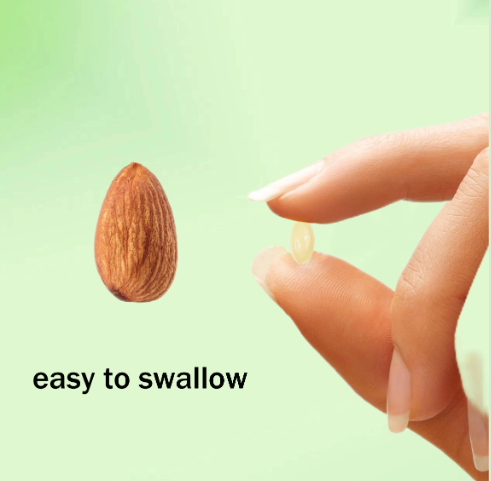
Vitamin K2 plays a vital role in maintaining strong bones. It activates a protein called osteocalcin. This protein binds calcium to the bone matrix, which helps improve bone density and strength. Without enough K2, calcium may not be used effectively, leading to weaker bones and a higher risk of fractures.
Research shows postmenopausal women taking K2 supplements experience less bone loss. This is important because bone loss accelerates after menopause, increasing osteoporosis risk. Vitamin K2 helps slow this process and supports bone remodeling.
Vitamin K2 supports heart health by preventing calcium buildup in the arteries. It activates matrix Gla protein (MGP), which stops calcium from depositing in blood vessel walls. When calcium builds up in arteries, it causes stiffness and narrows the vessels, raising the risk of heart disease.
Studies link higher K2 intake to lower risk of coronary heart disease. Although most evidence comes from observational studies, the biological mechanism is clear: K2 keeps arteries flexible by directing calcium to bones instead of soft tissues. This helps maintain healthy blood flow and reduces heart strain.
Preliminary research suggests vitamin K2 may help slow growth of some cancer cells, particularly in the liver. Laboratory studies found K2 can inhibit liver cancer cell proliferation. However, human studies remain limited and inconclusive.
More research is needed to confirm K2’s role in cancer prevention or treatment. Still, its impact on cell growth and calcium regulation hints at possible protective effects. Vitamin K2 may complement other nutrients in supporting overall cellular health.
Tip: For businesses developing vegan supplements, highlighting vitamin K2’s benefits for bone and heart health can attract health-conscious consumers seeking plant-based options.
Vitamin K2 dosage varies depending on age, health status, and supplement form. Generally, adults should aim for about 90 to 120 micrograms (mcg) daily. This range aligns with doses used in studies showing benefits for bone and cardiovascular health. For example, postmenopausal women taking 90 mcg of K2 daily showed improved bone density in clinical trials.
Forms of K2 include MK-4 and MK-7. MK-7 is favored for supplementation because it stays active longer in the body, allowing for once-daily dosing. MK-4 typically requires higher or more frequent doses. Always check product labels for exact amounts.
Vitamin K2 works best alongside certain nutrients, especially vitamin D and magnesium. Vitamin D enhances calcium absorption from the gut, while K2 directs calcium to bones and teeth. Magnesium supports the activation of vitamin D and overall bone metabolism.
Taking a combined supplement of D3, K2, and magnesium can simplify your routine and improve nutrient synergy. For instance, "New Elements — Vegan D3+K2 Drops With Magnesium" offers this trio in a vegan-friendly liquid form, promoting better absorption and precise dosing.
Beyond bone health, this combination supports cardiovascular function and general wellness. Including these nutrients together can maximize the benefits of your supplementation.
Before starting any new supplement, especially vitamin K2, consult a healthcare provider. This is crucial if you take medications such as blood thinners (e.g., warfarin), as K2 can affect blood clotting and interact with these drugs.
A healthcare professional can evaluate your diet, health status, and medication use to recommend appropriate dosages and supplement choices. They may also suggest blood tests to monitor vitamin K levels or related markers.
Regular check-ins ensure safe and effective supplementation tailored to your needs.
Tip: When advising clients on vegan K2 supplementation, emphasize the importance of professional guidance to avoid interactions, particularly for those on anticoagulants or with health conditions.
Yes, vegan K2 supplements can be effective. Most vegan K2 supplements use menaquinone-7 (MK-7), a form of vitamin K2 produced by bacterial fermentation, making it suitable for vegans. MK-7 has better absorption and a longer half-life in the body compared to other forms like MK-4. This means it stays active longer, offering sustained benefits for bone and cardiovascular health.
Clinical studies show that K2 supplements, including vegan versions, help activate proteins that regulate calcium, improving bone density and reducing arterial calcification. However, effectiveness depends on consistent use, proper dosage, and supplement quality. Choosing products from reputable brands with third-party testing ensures potency and purity.
Vitamin K2 can interact with certain medications, especially blood thinners like warfarin. These drugs work by affecting blood clotting, and vitamin K plays a key role in this process. Taking K2 supplements may alter how these medications work, potentially increasing or decreasing their effect.
If you are on blood-thinning or anticoagulant medication, consult your healthcare provider before starting any K2 supplement. They may monitor your blood clotting levels and adjust medication dosage accordingly. Besides blood thinners, K2 supplements have minimal known interactions with other medications, but it's best to check with a doctor or pharmacist.
Vitamin K2 has a low risk of toxicity, and no official upper intake level (UL) has been established. This means it is generally safe even at higher doses. However, excessive intake is not recommended without medical supervision, especially if you take blood thinners.
Taking more than the typical supplement dose (90–200 micrograms daily) usually poses no harm, but very high doses could affect blood clotting balance. Always follow the recommended dosage on the supplement label or as advised by your healthcare provider. Overconsumption concerns mainly apply to people with specific health conditions or those on certain medications.
Vitamin K2 is crucial for bone and heart health, and vegan sources include fermented foods like natto and sauerkraut. However, supplements provide consistent intake. Vegan K2 supplements, especially those with MK-7, offer effective absorption and sustained benefits. Exploring options like those from Jiahong Health Technology Group can ensure vegans meet their nutritional needs. Consider professional guidance for safe use, particularly if on medications. Embrace supplements to enhance vegan nutrition and maintain well-being.
A: Yes, there are vegan K2 supplements available, often in the form of vitamin D3 K2 vegan capsules, which are derived from bacterial fermentation.
A: Vegan K2 supplements activate proteins that bind calcium to bones, enhancing bone density and reducing fracture risk, especially beneficial in vitamins for women and men.
A: Consult your healthcare provider before taking K2 D3 vitamin supplement capsules, especially if you're on blood thinners, to avoid potential interactions.


