

Views: 0 Author: Site Editor Publish Time: 2025-09-30 Origin: Site


Not all maca root capsules available today deliver the same safety or effectiveness. For consumers seeking natural support for energy, mood balance, or reproductive health, choosing the right supplement can feel overwhelming. The variety of product forms—maca root capsules, maca root powder, maca root liquid drops, and specialized blends like pink stork maca root—can confuse even experienced buyers. At Jiahong Health Technology Group, with more than 16 years of expertise in supplement research and production, we believe consumers deserve practical tools to avoid low-quality products. This guide offers a clear, purchase-ready checklist to help you evaluate maca supplements confidently and protect your health investment.
One of the most overlooked issues in the supplement industry is contamination. Because maca is grown in soil, it can absorb heavy metals such as lead or arsenic if cultivated in unsafe environments. Poor manufacturing practices can also introduce pesticides or microbial residues. Long-term exposure to contaminated products poses serious risks to human health. Reliable suppliers conduct strict raw material screening and repeated quality checks before products reach the market, ensuring that every batch of maca root capsules is safe to consume.
Beyond contamination, potency consistency is equally critical. Maca’s active compounds, such as macamides and macaenes, are sensitive to environmental conditions during cultivation and drying. Without controlled processes, the nutrient profile may vary greatly from one batch to the next. That means one bottle of capsules may work well, while the next may feel less effective. At Jiahong, our research and development team applies standardized extraction and testing to guarantee consistent potency across all maca root products. This consistency is what builds trust with long-term customers.
Maca comes in three main colors—yellow, red, and black—each promoted for different benefits. Yellow maca is considered a general wellness booster, red maca is often marketed toward women for hormone support, and black maca root for men is associated with stamina and recovery. While research is still ongoing, honest product labels should state which variety is used rather than making broad or unsupported claims. This allows buyers to align their choice with their personal goals, whether balancing hormones, improving vitality, or simply boosting daily energy.
How maca is processed influences both its usability and effectiveness.
Raw powder: minimally processed and closest to the traditional form, but it may cause digestive discomfort in some individuals.
Gelatinized maca: heat-treated to remove starch, making it easier to digest and often more concentrated in beneficial compounds.
Extracts: refined to deliver a higher concentration of active elements per serving. Labels should specify extraction ratios, such as 10:1 or 20:1, to give clarity about strength.
Knowing these terms allows customers to select the best format for their needs, whether convenient capsules, versatile powders for shakes, or rapid-absorption liquid drops.
A trustworthy product should never rely solely on manufacturer claims. Independent third-party testing is the industry’s gold standard. Reputable seals such as USP Verified, NSF Certified, or certifications from recognized laboratories prove that the product has been tested for purity, potency, and safety. A Certificate of Analysis (COA) confirms that the maca root capsules contain what the label promises—nothing more, nothing less. Customers should feel empowered to request this documentation before purchase.
Maca’s origin matters because its growing environment directly affects quality. Genuine maca traditionally comes from Peru, where high-altitude conditions contribute to its nutrient density. Labels should list the country of origin clearly. After harvesting, suppliers committed to safety will run multiple tests for heavy metals, microbial contamination, and pesticide residues. This level of transparency distinguishes premium brands from generic options with uncertain sourcing.
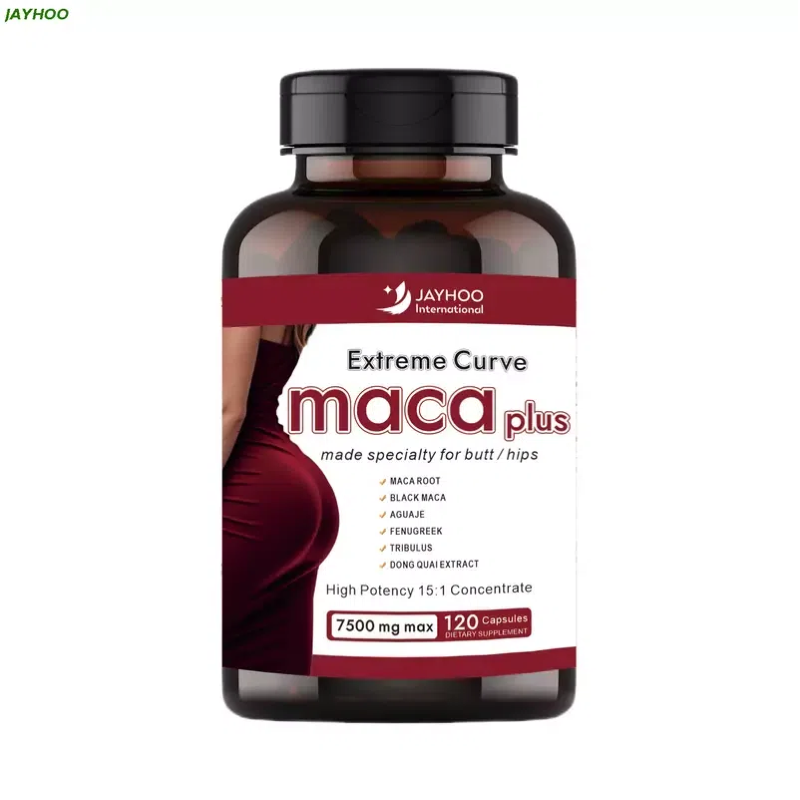
Many supplement marketers use “proprietary blend” as a way to disguise exact ingredient amounts. While this may protect a recipe formula, it leaves the customer in the dark. For maca supplements, knowing the dosage matters because benefits are linked to consuming an effective amount consistently. If a capsule lists maca in a blend without milligram details, the actual dose could be minimal, making the product less valuable.
Another red flag is when sellers avoid providing certificates or sourcing information. If a product page does not list a COA or fails to disclose whether the maca is Peruvian or sourced elsewhere, it’s a sign the company may not prioritize safety and traceability. Customers deserve transparency before they commit to daily consumption of a supplement.
Different product forms appeal to different lifestyles. When comparing them:
Maca root capsules: Verify the type of maca (yellow, red, black), dosage per capsule, and whether it is raw, gelatinized, or an extract.
Maca root powder: Look for organic certification, airtight packaging, and clear sourcing. This form is ideal for smoothies and cooking.
Maca root liquid drops: Check whether the formula is alcohol-free, the extraction ratio, and how dosage instructions are presented. This option is often chosen for faster absorption.
For businesses seeking private-label solutions or bulk supply, the evaluation process should be even stricter:
Request updated third-party COAs.
Verify country of origin and confirm the cultivation region.
Inspect production capacity and adherence to international GMP standards.
Review packaging stability for shipping and storage.
Ensure flexibility in customization, especially if targeting niche audiences like pink stork maca root for women or black maca root for men.
By following these steps, buyers—whether individual or wholesale—can safeguard their investments and guarantee their customers receive authentic, effective products.
Maca is often purchased with different goals in mind. For example, women looking for natural cycle or fertility support may lean toward pink stork maca root or red maca capsules. Men focused on performance and recovery often prefer black maca root for men. Busy professionals who value convenience may select capsules, while wellness enthusiasts experimenting with smoothies often opt for maca root powder. For travelers or those seeking quick absorption, maca root liquid drops are increasingly popular.
Each scenario highlights the importance of reading labels carefully and confirming product transparency. The right match depends not only on personal health goals but also on lifestyle and ease of use.
Selecting high-quality maca root capsules is about making informed, confident choices rather than guessing. By evaluating color variety, processing type, third-party testing, and transparency, you can avoid the pitfalls of contamination or under-dosing. Whether you prefer maca root powder, maca root liquid drops, pink stork maca root, or black maca root for men, the same principle applies: safety and authenticity come first. At Jiahong Health Technology Group, we take pride in producing supplements with strict quality standards and natural raw materials. If you are ready to explore trusted maca products or discuss customized solutions, please contact us today.


